Why Is My Bokashi Bin Not Working? UK Troubleshooting Guide
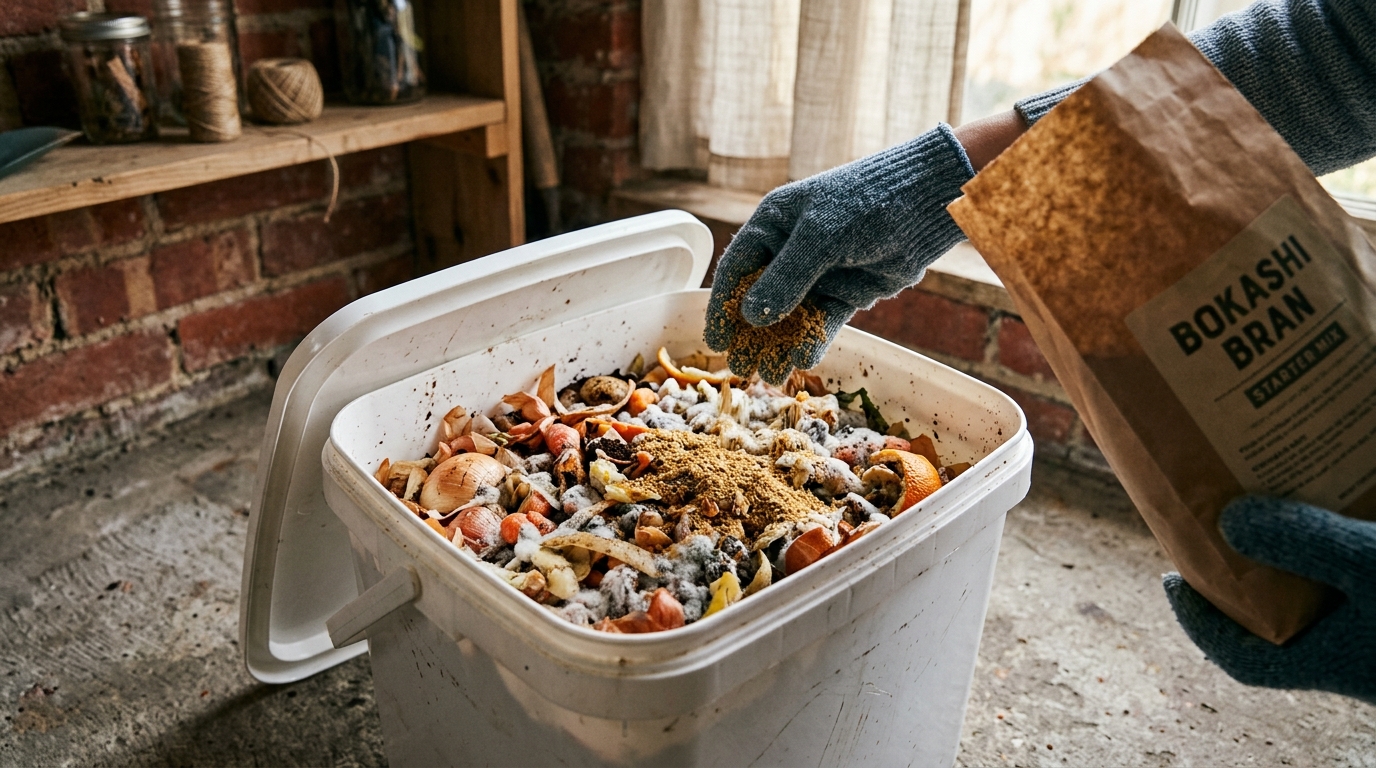
Why does a bokashi bin stop working? In 90% of cases, it’s not the microbes — it’s the seal, the moisture, or the temperature. When the lid is sticking or you are already picturing rats scurrying behind the kitchen bins, something has gone wrong. Bokashi is a pre-composter that needs a specific, airtight environment to ferment food waste properly. When it fails, it is usually down to a broken seal, too much moisture, or keeping the bin in a freezing cold room.
Why Is My Bokashi Bin Not Working?
If your bokashi bin is not working, the most likely culprits are a broken airtight seal letting oxygen in, adding too much wet waste without enough bran, or keeping the bin in an unheated room during winter. These mistakes cause the lactic-acid bacteria to stall, allowing the waste to rot and smell like sulphur instead of fermenting into a sour, pickled pre-compost. Fixing it usually means replacing the lid gasket, draining excess liquid, and adding a heavy handful of fresh bran.
Below is a quick-scan checklist of the most common issues. Read the symptom, then jump to the cause and fix:
- Smell like sulphur or rotten eggs – your bin has gone anaerobic.
- Sour, pickling vinegar scent – normal fermentation; you’re on the right track.
- White fuzzy growth – good microbes (the “tea” of bokashi).
- Black, slimy mould – bad anaerobic mould, likely oxygen-starved waste.
- No liquid at the tap – either too dry or the tap is blocked.
- Rats or flies buzzing – seal or lid failure, or food exposed.
- Bran not disappearing – over-loading or old bran losing potency.
Smell: Rotting Eggs vs. Sour Vinegar
If you’re getting a sharp, sulphuric stink, the bin has turned anaerobic. This usually happens when the airtight seal is compromised – a cracked lid, a warped lid gasket, or even a stray piece of cardboard that lets air in. The solution is simple: check the lid’s seal, replace any cracked parts, and give the bin a quick wipe with a damp cloth.
A sour, pickling vinegar smell is actually a good sign; it means the lactic-acid bacteria are doing their job.
Visuals: White Mould vs. Black Fuzz
White, powdery growth on the surface is the bokashi microbes you want – it’s a sign the fermentation is proceeding exactly as it should. Black, fuzzy mould, however, indicates an oxygen-rich environment where unwanted fungi thrive. The fix? Reduce the waste load, add a fresh handful of bran, and tighten the lid.
Liquid: Nothing Coming Out
When the tap at the bottom stays dry, the bin is either too dry or the tap is blocked. Bokashi relies on a bit of moisture to pull the liquid out. If you’ve been adding a lot of dry veg peel or bread, sprinkle a little water over the waste before sealing. If the tap is clogged, a thin pin or a safety pin can clear it – just be gentle.
Pests: Rats and Flies
A rat-proof bin is essential in a UK flat where the walls are thin and the neighbours are watching. The most common cause is a faulty seal or a lid that doesn’t close fully. I once bought a cheap bin with a rubber gasket that shredded after a few months; the next thing I knew there were tiny footprints on the kitchen floor. Replace the gasket with a fresh silicone seal, and consider wrapping the bin in a breathable but waterproof fabric (old tea towels work well).
Flies are attracted to exposed food. Make sure every piece of waste is covered with a spoonful of bokashi bran and the lid is sealed tight each time.
Bran Not Disappearing
If the bran you sprinkle in isn’t vanishing after a few days, you’re probably over-loading the bin or using bran that’s past its prime. Bran loses its microbial punch after 6–12 months once opened. Keep a fresh bag in a sealed container, and aim for a waste-to-bran ratio of about 1:1 by volume.
A friend of mine once tried to cram a whole week’s worth of leftovers into a 10-litre bin – the bran sat on top, unmixed, and the batch never fermented.
Quick diagnostic table
| Symptom | Likely cause | Fix |
|---|---|---|
| Sulphur/rotten-egg smell | Airtight seal broken | Replace lid/gasket, tighten |
| Sour vinegar smell or white fuzz | Normal fermentation | No action needed |
| Black mould or slimy rot | Oxygen entry, over-load | Reduce waste, add fresh bran |
| No liquid or unchanged bran | Too dry, blocked tap, or old bran | Add water, clear tap, or replace bran |
| Rats or flies | Seal failure or exposed food | New gasket, cover waste with bran |
The “Pre-Compost” Stage (What to Do When the Bin Is Full)
When the bucket is full, you’re not done yet – the waste is now “pre-compost”, a pickled treasure that needs a second step before it can become garden gold. Skipping this stage is a common mistake that leads to the dreaded smell and pest issues.
1. Bury It (the classic UK method)
Trench composting is the most straightforward way to finish your bokashi. The Royal Horticultural Society (RHS) notes that burying fermented waste allows soil organisms to rapidly break it down without losing nutrients to the air.
Step 1: Choose a spot Find an empty patch in a flower bed, a large planter filled with soil, or a dedicated “bokashi pit” in the garden.
Step 2: Dig a shallow pit Dig down roughly 30 cm. You want it deep enough that foxes or badgers won’t immediately smell it and dig it up.
Step 3: Lay the pre-compost Empty the pre-compost straight from the bin into the trench, spreading it out evenly so it has maximum contact with the soil.
Step 4: Cover with soil Cover the waste with at least 15 cm of soil and tamp it down gently. The soil microbes will take over, turning the pickled waste into rich compost within a few weeks.
I tried dumping my full bin straight onto the surface of a compost heap once; the heap went sour and attracted flies for weeks. Burying it in a pot on my balcony solved the problem and gave my tomatoes a visible boost.
2. Feed the Wormery
If you have a wormery, the pre-compost makes excellent worm food. Simply break up the pickled material into small chunks and scatter it over the bedding. The worms will finish the fermentation, producing rich vermicast you can use in pots.
A tip from Wiggly Wigglers: don’t overload – a handful per week keeps the worms happy and prevents excess moisture.
3. Mix into Outdoor Compost
For those with a traditional outdoor heap, mix the pre-compost into the centre of the pile. Garden Organic recommends always balancing wet kitchen waste with plenty of dry “browns”, so be sure to cover the bokashi addition with a thick layer of dry leaves, torn cardboard, or straw. This helps re-aerate the material and speeds up the finish.
Just remember: you can’t apply the pre-compost directly to plants – it’s still too acidic. Let it sit in the soil for at least two weeks before using it as a top-dress.
4. Use as Liquid Fertiliser
If you’ve collected the bokashi “tea” (the liquid that drips from the tap), dilute it 1:10 with water and apply to non-edible plants. The vinegar-like scent is normal; it’s a low-pH boost that’s great for acid-loving herbs. For more practical guides on making the most of your compost outputs, have a browse through the blog.
Why the pre-compost matters – it’s the bridge between a smelly bucket and healthy soil. Skipping it means you’re left with a pile of semi-fermented waste that can smell, attract pests, and won’t provide the nutrients your garden needs.
UK-Specific Considerations (Winter & Placement)
Winter Insulation
Bokashi microbes love warmth – ideally 15-20°C. In a British winter, a kitchen cupboard can dip below 10°C, and the fermentation slows to a crawl or stops altogether. If you notice the process stalling in December, wrap the bin in bubble wrap or a fleece blanket and place a small heat pack (the kind you use for food delivery) on the side.
I once kept my bin in a cold shed during January; it turned into a smelly, stagnant mess. Moving it onto a kitchen shelf and adding a bubble-wrap cocoon revived the fermentation within a few days.
Placement: Indoor vs. Outdoor
- Indoors (kitchen, pantry) – keep the bin out of direct sunlight but near a warm wall. A snug spot under the sink works well; the ambient heat helps. Just ensure the area is well-ventilated to avoid condensation on cupboards.
- Outdoors (garage, shed) – only if the space stays above 10°C. Use a waterproof tray underneath to catch any leaks, and seal the lid tightly. Frost can crack a plastic bin, so avoid placing it directly against an external wall.
Dampness and Seal Integrity
British homes can be surprisingly damp, especially in older terraced houses. Moisture can seep into the lid’s rubber gasket, weakening the seal. Check the gasket every few weeks, wipe it dry, and consider swapping it for a silicone version (about £8 on Amazon UK).
Dead or Just Slow?
Use this quick check before you declare the bin a failure:
| Check | Result | Meaning | Action |
|---|---|---|---|
| Tap test | Liquid drains normally | Active fermentation | Continue as normal |
| Tap test | No liquid for 7+ days | Too dry or too cold | Add 50 ml water, move to warmer spot |
| Smell test | Sour vinegar | Healthy batch | No action |
| Smell test | Rotten eggs | Anaerobic failure | Check seal, add bran |
| Visual test | White fuzz | Good microbes | Keep sealed |
| Visual test | Black or green slime | Rot has set in | Scoop out rot, add fresh bran |
Winter Stalling Alert Below 10°C, fermentation slows by roughly 50%. Below 5°C, it effectively stops. If your kitchen drops below 10°C for more than 48 hours, move the bin to a warmer room or wrap it in a fleece blanket. Do not open the lid during a cold snap — the temperature shock can kill the microbes.
Rescue Cost Calculator
| Problem | DIY Fix Cost | Replacement Cost | When to Replace |
|---|---|---|---|
| Worn gasket | £3–£5 (hardware shop) | £40–£60 (new bin) | Cracked lid or warped seal |
| Old bran | £8–£12 (fresh bag) | N/A | Bran older than 12 months |
| Blocked tap | Free (safety pin) | £40–£60 (new bin) | Tap physically broken |
| Cold stall | Free (blanket) | £40–£60 (new bin) | Bin cracked by frost |
When to Give Up (Bin Failure)
Sometimes a bin is beyond repair. Keep an eye out for these red flags:
- Cracked or broken lid – even the best duct-tape fix will let air in, ruining the fermentation.
- Bokashi bran that’s older than a year – the microbes lose potency and the waste won’t ferment.
- Consistently over-feeding – more than 5 kg of waste per week for a standard 10-litre bin overwhelms the microbes and leads to foul odours.
If you spot any of these, it’s time to retire the bin and invest in a new one. A decent starter bin costs roughly £40–£60; you’ll save more in the long run than trying to patch a hopeless situation.
Common Questions
Can I put meat and dairy in my bokashi bin?
Yes, you can safely put meat, fish, and dairy in a bokashi bin. The anaerobic fermentation process handles these foods without creating the rotting smell that attracts pests to a regular outdoor compost heap. Just make sure you cover each piece of meat or cheese with a generous handful of bran and seal the lid tightly.
Why is my bokashi liquid black and smelly?
Black and smelly bokashi liquid means the runoff has gone anaerobic and started to rot instead of ferment. This usually happens if the liquid is left sitting in the bottom of the bin for too long. Dilute it heavily (1:20) and pour it onto non-edible plants immediately, or pour it down the drain if the sulphur smell is too overwhelming to tolerate.
What to Do Now
You’ve now got the symptom-to-cause map, the steps to finish the pre-compost, and the UK-specific tweaks to keep your bin humming through winter. The key takeaways are simple: keep the lid airtight, watch the smell, cover every scrap with fresh bran, and give the finished waste a proper second stage in soil or a wormery.
If you’ve followed the checklist and your bin is still giving you grief, it may be time for a fresh start – but most issues are fixable with a bit of attention to seal, moisture, and timing.
Got more questions or a stubborn problem that isn’t covered here? Drop me a line on the Contact page – I’m always happy to help a neighbour get their bin sorted. Most bin problems clear up within 48 hours once you find the cause.
Related Guides
For a complete overview, see our Bokashi and Wormery Troubleshooting UK: Fixing Common Problems.
References
- Garden Organic - Composting Methods
- Royal Horticultural Society (RHS) - Composting
- Quickcrop - Bokashi Composting Guide
Note: This guide provides general troubleshooting advice for bokashi composting systems. Always verify specific instructions with the manufacturer of your bin and consult a qualified professional for advice on waste management and soil health.