Bokashi Composting in Winter UK: What You Need to Know

November frost changes everything for indoor composters. The microbes in your bokashi bin don’t die in the cold — they just slow down — but that slowing changes every timeline you read in summer.
A batch that finishes in two weeks on a kitchen worktop can take four to six weeks in an unheated garage. The bin still works, but the rules shift: you add less, you drain less, and you insulate more. This guide covers how to keep fermentation alive from the first frost through to March.
Ready for a quick win? Download the Free Composting Starter Checklist and tick off the winter‑proof steps as you go.
Why Cold Weather Doesn’t Stop Fermentation (But Does Slow It)
Bokashi works in the cold because it relies on anaerobic bacteria that can survive down to just above freezing, rather than warm-blooded worms that hibernate or die off below 10°C. The microbes simply slow their metabolism when it gets chilly, meaning a bucket that takes two to three weeks to ferment in summer will take roughly four to six weeks in a freezing January garage.
That is why a winter wormery often looks like a dead-weight, while a bokashi bucket just ticks along at a more leisurely pace. I learned this the hard way when I left a half-full bucket in an unheated garage for three weeks last December. I came back to a solid, slightly frosty block that still smelled faintly sweet, not rancid. Once I nudged it into a warmer hallway, the “tea” (bokashi leachate) started dripping again and the fermentation finished without any foul odour. The Royal Horticultural Society notes that all composting slows in winter, but sealed indoor systems like bokashi bypass the worst of the weather.
For a deeper dive into the science, see the rest of the guides on our blog.
Where to Keep Your Bin From November to March
Pick the Right Spot
- Shed or garage: If you have a detached shed that stays above 0°C most of the night, that is ideal. Keep the bucket away from direct drafts that could plunge it below freezing.
- Cool indoor room: In flats without a shed, the kitchen cupboard under the sink or a pantry works well – they are cool but not icy. Avoid sunny windowsills in January; the heat can cause the bucket to expand and the lid to warp.
Insulate Like a Pro
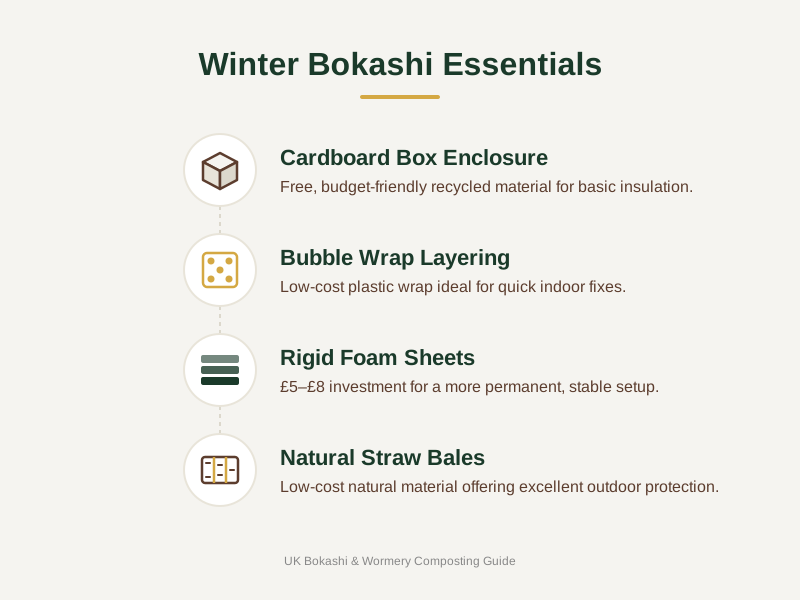
The number one hack is a simple blanket of bubble wrap or an old duvet. Wrap the bucket tightly, then tape the seams with packing tape. The air pockets in bubble wrap act as a thermal barrier, keeping the internal temperature a few degrees above the ambient chill.
If you are short on bubble wrap, try these alternatives (all work as “belt and braces” solutions):
- Straw bales: Stack a shallow layer around the bucket; straw is a natural insulator and cheap from most garden centres.
- Cardboard box: Slip the bucket into a double-walled cardboard box, then line the inside with a few sheets of newspaper.
- Foam insulation sheets: Roughly £5–£8 from DIY stores; cut to size and wrap.
Tip: The microbes stay happiest when the bin stays above 5°C. Anything colder just slows them down; anything warmer than 20°C can encourage unwanted mould growth.
If you are upgrading, look for models that already come with built-in insulation flaps – worth the extra tenner if you are setting up a permanent winter station.
The Frozen Ground Problem: Four Ways to Bury Winter Waste
1. The Pot Method (Flat‑Friendly)
Step 1: Choose a large container Grab a large plastic plant pot or grow bag with at least a 20-litre capacity. Make sure it is clean and has decent drainage holes at the bottom so it doesn’t become waterlogged. If you are reusing an old tomato pot, give it a quick scrub first.
Step 2: Create a drainage base Layer the bottom with a handful of dry autumn leaves or shredded newspaper. This creates a buffer that absorbs excess moisture and stops the acidic bokashi mix from sitting in a puddle. It also helps insulate the bottom of the pile from cold floors.
Step 3: Layer the waste Add your fermented bokashi waste in thin layers, sprinkling a pinch of fresh bran over each new addition. Breaking the solid mass up slightly helps it mix with the dry materials and speeds up the breakdown. Do not pack it down too hard; you want a little bit of airflow now that it is out of the bucket.
Step 4: Cover and store Top the whole thing off with more dry material or old potting soil, and seal the top with a breathable cloth to keep fungus gnats out. Place the pot on a sunny windowsill, a greenhouse bench, or even a warm hallway corner. The waste will continue to break down into crumbly “buried treasure”, ready for spring.
2. Feed the Wormery (If You Have One)
Bokashi leachate is acidic, so dilute it 1:5 with water before dribbling it onto your worm bin. Add only a spoonful of the fermented mix at a time – the worms will love the extra nutrients once the acidity levels drop. This trick kept my flat-size wormery humming through a two-month freeze when I couldn’t dig a trench outside.
3. The Trenching Hack (Gardeners)
If you have a garden, wait for a thaw-free window (often late February in the south, early March up north). Dig a shallow trench on the south-facing side of a wall, where the sun bakes the soil a few degrees extra. Bury the bokashi waste in a compostable sack (or tip it straight in—don’t bury plastic zip-lock bags unless you want to be digging them up next year), then cover with a few centimetres of soil. The extra warmth speeds up the final breakdown, and you end up with nutrient-rich compost ready for planting.
What NOT to do: Don’t try to force the waste into frozen ground – you’ll just end up with a half-buried, half-rotting mess that smells worse than a forgotten take-away. According to WRAP’s home composting guidelines, trying to compost in freezing, waterlogged soil just halts the decomposition process entirely.
Winter Tea: Stronger, Slower, and Still Useful
Smell in Winter
Cold air holds odours like a sponge, so a faint whiff is often a sign the bucket is over-full or the lid isn’t sealing properly. According to Garden Organic, a foul smell usually means the system has let in too much air. The fix is simple:
- Check the lid seal – a rubber gasket should sit flush; replace if cracked.
- Remove excess waste – aim for a maximum fill line of two-thirds of the bucket’s height in winter.
Liquid (the “tea”)
You don’t need to drain the leachate as often when it’s cold; the microbes are slower, so less liquid accumulates. Still, give the spigot a weekly glance to make sure it isn’t clogged. If you do collect the tea, store it in a sealed jar in the fridge and use it as a garden spray once the soil thaws.
Volume Management
Because the process is slower, add waste in smaller batches – think one or two meals per day rather than a whole family’s weekly leftovers. This prevents the bin from freezing solid with a massive mass of material inside.
For a step-by-step on handling bokashi leachate, check the archives on our blog.
What If the Bin Freezes Solid?
If your bokashi bin freezes solid, do not panic—the microbes are merely dormant, not dead. Move the bucket to the warmest spot you have, like a kitchen cupboard with a light bulb on or a shelf near a radiator. Let it thaw gradually; a rapid temperature swing can crack a plastic bucket.
Once it is above 5°C, give it a gentle shake to redistribute the contents and check the lid seal again. If you see a thin white mould on the surface, that is spot on – it is just the microbes adjusting. If you spot black, slimy rot, that means the waste has gone anaerobic for too long and you may need to start a fresh batch.
Speed expectations: In a typical UK winter (average 2–6°C in unheated spaces), the fermentation will take roughly 4–6 weeks. That is longer than the 2–3 weeks you would see in a cosy kitchen, but it still finishes well before the next planting season.
Do not discard the contents unless they smell truly putrid (like rotting meat). Even a partially fermented batch can be mixed into garden soil after a thaw and will still add valuable nutrients.
What to Do Now
Winter doesn’t have to be a dead-end for your bokashi system. Keep the bucket insulated, store it in the warmest dry spot you have, and feed the waste in bite-size portions. When the ground finally thaws, you’ll have a tidy load of pre-compost ready to enrich your beds or potted plants.
If you’ve followed these steps, you’ve already turned a potential winter faff into a smooth, low-maintenance routine. The next logical move is to make sure every part of your setup is up to snuff – from the lid seal to the location checklist.
Take the next step: Download the Free Composting Starter Checklist and give yourself a quick audit of what needs tweaking before the frost hits again.
Got a question that wasn’t covered? Drop us a line via the contact page – I’m always happy to help a neighbour get their bokashi sorted. You can also read more about my own trial-and-error journey on the about page.
Winter Bokashi Setup Options
| Method | Insulation Type | Best For | Cost Estimate |
|---|---|---|---|
| Bubble Wrap | Plastic wrap | Quick fix, indoor use | Low |
| Straw Bales | Natural material | Outdoor protection | Low |
| Cardboard Box | Recycled material | Budget-friendly | Free |
| Foam Sheets | Rigid insulation | Permanent setup | £5–£8 |
| Built-in Flaps | Integrated design | Long-term investment | Higher |
| Spare Fridge | Insulated box | Maximum temperature control | Variable |
UK Winter Calendar
| Month | Action | Temperature Watch |
|---|---|---|
| November | Move bin to sheltered spot, check seal | First frost forecast |
| December | Add insulation, reduce batch size | Keep above 5°C if possible |
| January | Drain liquid less frequently | Slowest fermentation month |
| February | Start planning burial spot for spring | Watch for thaw windows |
| March | Increase additions as temperatures rise | Move to final location |
No-Garden Winter Protocol
If you live in a flat with no garden or balcony soil, winter bokashi is still viable:
- Pot storage: Bury fermented waste in a 20 L pot of old compost and leave it in a cool hallway. The cold slows everything, but by April the mix will be dark and crumbly.
- Wormery feed: Add small spoonfuls of fermented waste to an indoor wormery once a week. The worms slow down too, so feed sparingly.
- Freezer hold: If absolutely stuck, seal the fermented waste in a bucket with a tight lid and store it in a cool cupboard or unheated garage. It won’t degrade further in the cold, but it won’t smell either. Bury it the moment the ground thaws.
📺 Watch: What is a Bokashi Bin? — Quickcrop
Quick Answers
Can I keep my bokashi bucket in a fridge?
Yes, keeping a bokashi bucket in an unplugged or spare fridge in the garage works brilliantly as an insulated box. If you mean a working indoor fridge, it keeps the temperature steady above freezing, but it takes up valuable food space and the lid must stay sealed tightly to prevent condensation from flooding the bucket.
How often should I add new waste in winter?
Aim to add new waste in small, regular additions—roughly one or two meals’ worth per day—rather than dumping in a massive weekly load. This gives the slower winter microbes a chance to keep up and prevents the bin from becoming too full and freezing solid.
Is it safe to use winter bokashi tea on edible plants?
Absolutely, bokashi liquid is perfectly safe for edible plants as long as you dilute it heavily with water (at least 1:100) and apply it to the soil rather than the leaves. Because winter tea can be quite concentrated, wait until the soil has warmed up in spring before applying it so the roots can actually absorb the nutrient boost.
Can I move my frozen bin straight into a warm kitchen?
No — let it thaw gradually. A rapid temperature swing can crack a plastic bucket and shock the microbes. Move it to a cool hallway first, then to the kitchen after 24 hours.
Will fermentation stop completely below 5°C?
No, it just slows dramatically. The bacteria survive down to just above freezing. Below 5°C, a full bin can take 4–6 weeks instead of 2.
All advice is based on personal experience and publicly available resources such as Wiggly Wigglers, RHS winter composting guidance, and Agriton’s bokashi bran specifications.
Related Guides
For a complete overview, see our How to Set Up a Bokashi Bin UK: Step by Step for Beginners.
References
- Garden Organic — Winter Composting
- WRAP — Food Waste Reduction
- Wiggly Wigglers — Winter Worm Care
- Royal Horticultural Society — Composting
Note: All advice is for general guidance only. Always verify specific details with a qualified professional or official source.