What to Do When Your Bokashi Waste Is Ready (UK Guide)

As an Amazon Associate I earn from qualifying purchases. This page contains affiliate links — if you buy through them, I earn a small commission at no extra cost to you.
Most bokashi guides say ’two weeks’ and leave it at that. In practice, a full bin in a 16°C kitchen finishes in 10–12 days, while the same bin in an unheated garage in January can take 18–21 days.
Temperature, bin size, and how tightly you pack the waste all shift the timeline. More importantly, ‘ready’ means different things depending on what you plan to do with the fermented waste next. This guide covers the three most reliable disposal methods for UK flats and gardens, plus how to tell if your batch has actually finished fermenting.
The Two-Week Rule (And Why It’s Only Half the Story)
Ready bokashi waste looks and smells a lot like sauerkraut, with a tan-brown colour, a tangy, pickled scent, and a soft, moist texture. If it is turning black, mushy, or giving off a rotten-meat odour, it is either still fermenting or has gone anaerobic and failed. The texture should be pliable, not slimy or bone-dry.
Golden Rule: If it smells like rotting meat, it’s not ready. If it smells like sauerkraut, you’re good to go. This little check saves you a lot of hassle later on.
Method 1: The Soil Factory (Best for Flats)
When you’ve got a balcony or a windowsill, burying bokashi in a pot is the easiest route.
- Prep the base: Choose a large, sturdy pot (at least 20 L) or a sturdy grow-bag. Fill the bottom with a few centimetres of good quality potting mix.
- Dig the trench: Dig a shallow trench about 20-30 cm deep in the soil and drop the bokashi waste in.
- Cover and water: Cover with more soil, pat it down gently, and water lightly—just enough to keep the soil damp.
- Let it rest: Wait 2-4 weeks. During this time the fermented waste breaks down, releasing nutrients that will feed the plants you later pot into the same container.
I first tried this in a 12 L balcony pot and ended up with a soggy mess that attracted gnats. The lesson? Use a larger container and don’t over-water.
Budget note: The Garland Bokashi Bin (paid link) is the best value choice—roughly £40-£55 and pest-proof, though you’ll still need a pot or bag for the burial step.
If you’re keen to combine this with a wormery, have a look at our blog for more on vermicomposting setups—they’re a neat alternative for flat dwellers who want a living compost system.
Method 2: The Trench Method (Best for Gardens)
For those lucky enough to have a tiny backyard, patio, or allotment plot, the trench method works like a charm.
- Dig deep: Dig a trench 30-50 cm deep—the deeper you go, the less chance you’ll give rats a cosy tunnel.
- Spread the waste: Lay the bokashi waste in the trench, spreading it out if you have more than one batch.
- Backfill: Cover with the excavated soil and firm it down.
- Plant away: Plant directly above the trench—potatoes, carrots or a row of herbs love the extra nutrients.
A neighbour once warned me about “rat tunnels” after I dug a shallow 15 cm ditch. The rats took the whole thing for a snack. Since then I always aim for at least 30 cm depth, which lines up perfectly with guidance from Garden Organic on keeping rodents out of your compost.
Budget note: The Hozelock Bokashi (paid link) is a sturdy choice for this method, with a reliable tap for draining the liquid fertiliser—expect to spend around £50-£70.
Method 3: The Compost Accelerator (Best for Existing Heaps)
If you already have a traditional compost heap or bin, bokashi can act as a turbo-charger.
- Make a pit: Locate the centre of your existing heap and dig a shallow pit.
- Add the bokashi: Slip the bokashi waste into the pit, then backfill with the surrounding compost material.
- Maintain the heap: Keep the heap moist and turn it every week as usual.
The fermented waste introduces a flood of beneficial microbes, cutting the overall decomposition time dramatically. The Royal Horticultural Society points out that a strong balance of bacteria is what makes a compost heap break down quickly, and you really see that here. I tried this in a small kitchen compost bin and saw the heap heat up faster than ever—a clear sign the microbes were doing their job.
Budget note: The Hozelock Bokashi, mentioned earlier, also doubles as a convenient tap-off for “the tea”—the liquid you can dilute and use as a mild fertiliser.
Troubleshooting: When the Batch Looks or Smells Wrong
- Smell: A sour, pickled aroma is normal. If you detect a foul, putrefied odour, the waste probably wasn’t sealed properly. Check the lid, discard the batch, and start again.
- Slimy texture: Too much moisture? Add a handful of dry bran or shredded newspaper next time.
- Mould: A thin white veil is fine—it’s the good kind. Black mould means the fermentation went wrong; toss that batch.
- Pests: If you hear rustling or spot droppings, your burial depth is insufficient. Aim for at least 30 cm and consider a mesh liner.
Stop! checklist:
- Smells like rotting meat? Stop. Check the seal.
- Seal is intact but smell persists? Empty the bin, clean it, and begin a fresh batch.
Common Questions
Can I put bokashi waste straight on my garden?
No, you cannot put raw bokashi waste directly onto garden soil. Bokashi is highly acidic immediately after fermentation and will scorch seedlings or damage plant roots. You must bury it in a trench or mix it into an established compost heap first to neutralise it.
How long does it take to decompose after burying?
It typically takes two to four weeks for bokashi waste to decompose in soil, depending entirely on temperature and moisture levels. In a warm balcony pot during summer, you might see it break down much faster, whereas in a cold winter trench, the process can easily stretch to six weeks.
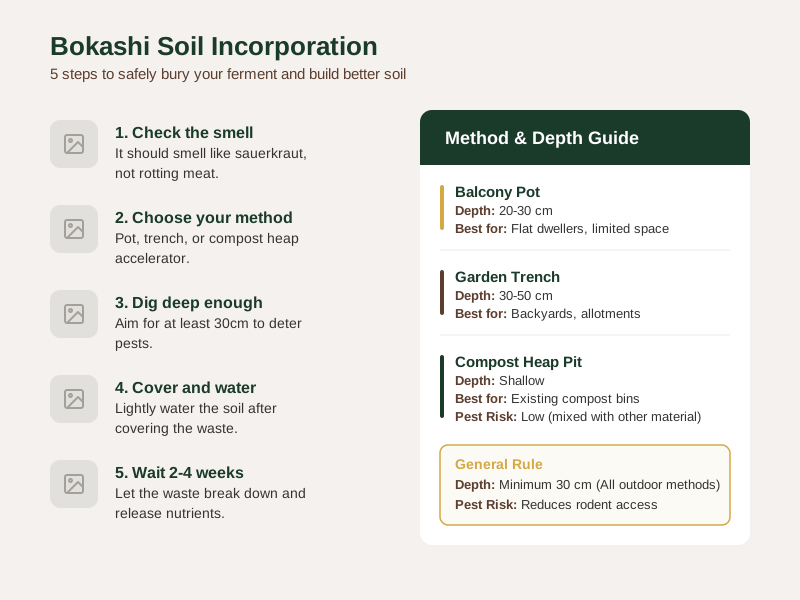
Bokashi Burial Depth Guide
| Method | Depth | Best For | Pest Risk |
|---|---|---|---|
| Balcony Pot | 20-30 cm | Flat dwellers, limited space | Low (if pot is secure) |
| Garden Trench | 30-50 cm | Backyards, allotments | Low (deep enough to deter rats) |
| Compost Heap Pit | Shallow | Existing compost bins | Low (mixed with other material) |
| General Rule | Minimum 30 cm | All outdoor methods | Reduces rodent access |
*Note: Rat tunnels are a common issue with shallow burial. Always aim for the deeper end of the recommended range.
Readiness Matrix
| Disposal Method | Visual Ready Sign | Smell Ready Sign | Texture Ready Sign | Next Step |
|---|---|---|---|---|
| Soil factory (pot) | Tan-brown, no black patches | Pickled/sauerkraut | Soft, moist, not slimy | Mix into potting soil, wait 2–4 weeks |
| Garden trench | Same as above | Same as above | Same as above | Bury 30–50 cm deep, cover with soil |
| Compost heap | Same as above | Same as above | Same as above | Dig into heap centre, turn weekly |
Delayed Burial: How Long Can You Store Fermented Waste?
If your garden is frozen or your wormery is full, sealed bokashi waste can wait. In a cool spot (5–10°C), it holds safely for 4–6 weeks without degrading. In a warm kitchen, use it within 2 weeks or the acidity will intensify and the smell will sharpen. Always keep the lid tight and drain any new liquid before storage. When you’re ready, the waste will still be active — just check for black mould before you bury it.
Ready to Start?
You’ve now got three solid routes to finish the bokashi cycle: a pot-based “soil factory” for balconies, a trench for the occasional garden patch, or a compost-heap accelerator for the traditional bin. Whichever method matches your space, the key is to bury the fermented waste deep enough, keep it moist but not soggy, and give it a few weeks to turn into “buried treasure” for your plants.
If you are still hitting a wall or want to share your own balcony setup, feel free to contact me—I am always tweaking my own systems. Ready to nail down the rest of your composting setup? Download the Free Composting Starter Checklist—it walks you through everything from bin placement to seasonal tweaks, so you never feel stuck again.
Related Guides
For a complete overview, see our How to Set Up a Bokashi Bin UK: Step by Step for Beginners.
Where I Learned This
- Quickcrop — Bokashi Guide
- Garden Organic — Composting Advice
- Royal Horticultural Society — Soil Health
As an Amazon Associate I earn from qualifying purchases. The products linked above are ones I would use or recommend in my own garden setups.
Note: General guidance only. Always verify specific local regulations and safety guidelines with a qualified professional or official source.